
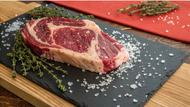
Copas Farm Shop Beef: breeds, cuts and why it's worth it
Posted by Copas Farm Shop on 16th Sep 2026
Copas Farm Shop raises heritage-breed cattle on pasture in Buckinghamshire, dry-ages the beef for a deeper, fuller flavour, and sells it direct — which means what arrives at your door is the kind of beef most supermarkets simply don't stock. If you're asking whether good beef is worth the difference in price, the honest answer is: it depends entirely on the breed, how it was raised, and how long it was aged. This guide covers all three.
Key takeaways
- Heritage cattle breeds such as Hereford and Aberdeen Angus are slower-growing than commercial breeds, which allows fat to marble through the muscle and creates more flavour in the finished beef.
- Dry-ageing beef for a minimum of 21 days concentrates flavour and tenderises the meat by allowing natural enzymes to break down muscle fibres.
- Pasture-raised cattle produce beef with a noticeably different fat profile and depth of flavour compared with intensively reared animals.
- Different cuts serve fundamentally different purposes: slow-cooking cuts like shin need long, low heat; quick-cooking cuts like sirloin or rib-eye need high heat and a short rest.
- Buying from a farm shop rather than a supermarket typically means traceability to a single farm, proper dry-ageing time, and butchery to order — none of which supermarket supply chains reliably provide.
- Premium beef costs more because slow growth, pasture grazing and dry-ageing all reduce yield and extend the time between field and sale.
What breeds of cattle does Copas Farm Shop raise — and why does breed matter?
Breed determines how a cow grows, where it lays fat, and ultimately what the beef tastes like. Not all cattle are equal at the table.
Copas Farm Shop raises heritage breeds, including Hereford and Aberdeen Angus. Both are slower-growing than the continental breeds used in commercial beef production, and that slower growth is precisely the point. The animal spends more time building flavour compounds in its muscle tissue, and the fat marbles through the meat rather than sitting in a thick layer on the outside.
Herefords are known for consistently marbled, flavoursome beef with a relatively fine-grained texture. Aberdeen Angus — a breed with a long reputation in British and Scottish farming — produces beef with a slightly firmer texture and a pronounced depth of flavour. Both breeds suit pasture-based systems well, which reinforces the quality at every stage.
The breed question matters because it's often the last thing a supermarket label tells you. You may see "British beef" on a packet, but that tells you nothing about how the animal grew, what it ate, or how it was finished. Knowing the breed is the first step to knowing what you're actually buying.
How does pasture-raising change the beef?
Pasture-raised cattle eat grass and forage rather than grain-based feed in confined systems. That diet and the physical activity of moving across open land changes the composition of the meat.
Grass-fed beef has a different fat profile compared with grain-fed beef. The fat in grass-fed animals tends to be more golden in colour — a sign of higher beta-carotene content from the grass — and carries a more complex flavour. You'll also notice the fat doesn't render down to nothing; it has substance and flavour of its own.
At Copas Farm Shop, cattle graze on Buckinghamshire pasture. The land itself becomes part of the flavour, in the same way that terroir shapes wine. This isn't a marketing abstraction — the plants, minerals and conditions of a specific piece of ground genuinely influence the taste of the animal that grazes on it.
There is a real trade-off to acknowledge here. Fully pasture-raised beef can have less intramuscular fat than grain-finished beef, and for some cuts that means a slightly leaner texture. The solution is proper cooking — which this guide covers below — and choosing the right cut for the right method.
Which cuts of Copas Farm Shop should you choose, and when?
The single most important decision when buying premium beef is matching the cut to your cooking method. An expensive sirloin treated like shin, or a shin treated like sirloin, will disappoint regardless of the quality of the animal.
The table below lays out the main cuts, what they suit best, and the honest limitation of each.
| Cut | Best for | Cooking method | Limitation |
|---|---|---|---|
| Rib of beef (bone-in) | Centrepiece roast, special occasions | High heat to sear, then lower oven | Takes time; needs good resting |
| Sirloin | Weeknight steak, quick suppers | Hot pan or grill, short cook | Less forgiving if overcooked |
| Rib-eye | Flavour-forward steak, entertaining | Hot pan or grill | Higher fat content — suits those who want richness |
| Topside / silverside | Sunday roast, slicing cold | Slow roast at moderate heat | Can dry out without basting |
| Shin | Braises, stews, ragu | Long, slow, low heat (3–4 hours) | Not suited to quick cooking at all |
| Mince | Burgers, bolognese, cottage pie | Variable | Quality only shows with restraint — season simply |
For a roast, rib of beef on the bone is the most rewarding cut in the range. The bone conducts heat into the meat and adds flavour during cooking. A 2–3 kg bone-in rib will take roughly 15–20 minutes per 500 g at 180°C for medium-rare, plus a minimum 20-minute rest under foil. The resting step is non-negotiable — it allows the juices to redistribute rather than running off the board when you carve.
Shin is the cut that most rewards patience. Slow-braised for 3–4 hours in stock, wine and aromatics, it breaks down into something rich and unctuous that a sirloin simply cannot replicate. It is also considerably better value per kilogram, which makes it an honest choice for weeknight cooking.
If you want to explore beyond the familiar cuts, Copas Farm Shop also offer mince and burgers made from the same heritage-breed cattle — and heritage-breed mince cooked simply in a burger or a bolognese shows noticeably more flavour than a supermarket equivalent.
Is grass-fed beef worth the extra cost?
Yes, with two conditions: you need to cook it properly, and you need to buy it from a source that can verify how the animal was actually raised.
The flavour difference between well-raised grass-fed beef from a heritage breed and standard supermarket beef is real and consistent. The fat tastes better, the meat has more depth, and dry-ageing amplifies both. That's not a claim dressed up as evidence — it follows directly from the mechanism: slower growth, a grass diet and enzymatic breakdown during ageing all contribute compounds that simply aren't present in intensively reared, wet-aged beef.
The cost question is legitimate. Premium beef costs more because it takes longer to raise, produces a smaller finished carcase per animal, and requires proper ageing infrastructure. You are paying for time at every stage. Whether that time justifies the price is a question of occasion and expectation — but it's worth understanding what you're paying for before deciding it isn't worth it.
Do supermarkets sell grass-fed beef? Some do label beef as grass-fed, and some of that labelling is genuine. The problem is consistency and traceability. A farm shop with a named breed and a named farm can tell you exactly what you're getting. A supermarket label can tell you very little about the individual animal, the ageing process, or the specific farm.
How does dry-ageing fit in — and how long matters?
Dry-ageing is the process of hanging beef carcases or primal cuts in a controlled environment — specific temperature, humidity and airflow — so that natural enzymes break down the muscle fibres and moisture evaporates from the surface. The result is more tender meat and a more concentrated, nutty, complex flavour.
The minimum ageing time that makes a meaningful difference is broadly accepted to be around 21 days. Below that threshold, the enzymatic activity hasn't had sufficient time to tenderise the deeper muscle fibres. Many premium butchers and farm shops age beef for 28–35 days; some specialist cuts go considerably longer.
There is a full explanation of how dry-ageing works and why it costs more in our article on dry-aged beef — rather than repeat that ground here, the short version is: ageing time directly affects both tenderness and flavour, and cutting that time short to reduce cost is the most common way premium beef promises are quietly broken at a commercial scale.
Wet-aged beef — the standard in supermarket supply chains — is aged in a vacuum-sealed bag. This tenderises the meat to a degree but produces different flavour notes, often described as slightly metallic or bloody compared to the clean, nutty depth of properly dry-aged beef.
How should you cook premium beef to get the best from it?
The method below applies to steaks and quick-cooking cuts. For slow-cooking cuts like shin, the principle is the same — take time — but the technique is different.
- Take the beef out of the fridge at least 45 minutes before cooking. Cold meat hitting a hot pan creates an uneven temperature gradient that makes even cooking harder. Room temperature at the surface means the crust develops faster and the centre reaches your target without overcooking the outer layers.
- Pat the surface dry. Surface moisture is the enemy of a good crust. A dry surface browns rather than steams.
- Season generously with flaked salt, immediately before cooking. Salt draws moisture briefly, which you want to cook off in the first 30 seconds on the pan.
- Use a very hot pan — cast iron or a heavy stainless pan. The Maillard reaction that creates the crust happens above 140°C. A pan that isn't fully hot before the meat goes in will poach rather than sear.
- Don't move the steak for at least 2 minutes. A crust needs contact time. Constant turning prevents browning.
- Add butter, thyme and garlic in the final minute and baste. This is where flavour builds quickly. Tilt the pan and spoon the foaming butter over the steak repeatedly.
- Rest for at least half the cooking time. A steak cooked for 6 minutes needs 3 minutes of rest. The internal temperature continues to rise slightly (carry-over cooking), and the fibres relax so juices stay in the meat rather than running out when you cut it.
Importantly, for a rib of beef roast, the same logic applies on a larger scale. High heat at the start to build a crust, then a lower oven to bring the centre up gently, and a proper rest before carving. Rushing the rest on a large joint is the most common reason a premium roast ends up disappointing at the table.
How does Copas Farm Shop beef compare with buying from a supermarket?
The meaningful differences sit at three points in the supply chain: breed and rearing, ageing, and traceability.
| Factor | Copas Farm Shop | Typical supermarket |
|---|---|---|
| Breed | Named heritage breeds | Usually unlabelled; varies by supplier |
| Rearing | Pasture-raised, named farm | Mixed; supply chain consolidation |
| Ageing | Dry-aged, stated duration | Usually wet-aged; duration varies |
| Traceability | Farm to door | Supply chain opacity common |
| Price | Higher per kg | Lower per kg |
| Butchery | Cut to order or specific cuts available | Standardised pre-packaged portions |
The honest limitation of farm shop beef is price and availability. You will pay more per kilogram, and some cuts are seasonal or limited. If budget is the primary constraint, shin, mince and burgers, and braising cuts offer the best value from premium-raised animals without the premium-cut price.
Copas Farm Shop raise and sell beef alongside its free-range lamb, free-range chicken and other farm meats — a range built around the same principle: slow-grown, properly reared, worthy of your table.
Frequently Asked Questions
Is organic grass-fed beef worth it? Grass-fed beef from a named breed and a named farm offers traceable provenance and a genuine flavour difference compared with standard supermarket beef. The "organic" label adds a specific farming certification but the more meaningful questions are: what breed, how was it raised, and how long was it aged? A heritage-breed, pasture-raised, dry-aged beef without the organic label will often outperform a certified organic beef that was wet-aged and sold within days of slaughter.
How long does it take to cook a rib of beef on the bone? Allow roughly 15–20 minutes per 500 g at 180°C (fan 160°C) for medium-rare, after an initial 20-minute blast at 220°C to build a crust. A 2.5 kg joint will take approximately 1 hour 15 minutes in the oven, plus a minimum 20-minute rest under foil before carving. The rest is as important as the cook — skipping it means the juices run straight onto the board rather than staying in the meat.
What is the best way to cook a shin of beef? Shin needs long, slow, moist heat. Brown the shin in batches in a hot pan with a little oil until deeply coloured on all sides, then braise in beef stock with aromatics — onion, carrot, celery, garlic, a bay leaf, and a splash of red wine — at 150°C for 3 to 4 hours, covered. The collagen in the shin breaks down over that time into gelatin, which gives the finished dish its body and richness. It should be soft enough to pull apart easily; if it isn't, give it another 30 minutes.
How do I make a beef roast moist rather than dry? The most common reasons a roast dries out are: cooking at too high a temperature for too long, not basting during cooking, and cutting into the joint before it has rested. For topside or silverside — the lean roasting cuts most prone to drying — cook at a lower temperature (160°C) with stock in the tin, baste every 30 minutes, and rest for at least 20 minutes before carving. Shin and braising cuts are inherently protected by their fat and collagen content, so they are far more forgiving.
Do supermarkets sell properly dry-aged beef? Some supermarkets label beef as dry-aged, but the ageing duration and conditions vary considerably and are rarely stated on the pack. Meaningful dry-ageing — the kind that changes the flavour and texture noticeably — requires a minimum of around 21 days under controlled conditions. A farm shop or specialist butcher is more likely to state the ageing period clearly and to have consistent control over the process than a centralised supermarket supply chain.
What is the difference between rib-eye and sirloin? Both are quick-cooking steaks from the upper back of the animal, but they differ in fat content and texture. Rib-eye has more intramuscular fat (marbling), which makes it richer and more forgiving if slightly overcooked — the fat keeps it moist. Sirloin is leaner with a firmer texture and a cleaner flavour. For those who want maximum flavour and juiciness, rib-eye; for those who prefer a cleaner, leaner steak, sirloin. Both benefit from high heat, a proper sear, and a good rest.
Can I cook heritage-breed beef the same way as standard supermarket beef? Yes, but the extra marbling means heritage-breed beef cooks marginally faster and is more forgiving. The same techniques apply — high heat for steaks, low-and-slow for braising cuts, resting before serving. The main adjustment is to trust your thermometer or touch rather than relying on the same timing you'd use with a lean, wet-aged supermarket steak; the fat in a well-marbled heritage cut conducts heat slightly differently.