
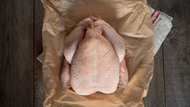
Free-range whole chicken vs chicken pieces: which works harder in the kitchen?
Posted by Copas Farm Shop on 19th Aug 2026
A free-range whole chicken works harder across more meals, but free-range chicken pieces win on speed and convenience. Which one earns its place in your kitchen depends on how you cook, how many you're feeding, and how much of the bird you want to use.
Key takeaways
- A whole free-range chicken typically yields 3–4 distinct meals: a roast, a quick stir-through pasta, a salad, and a pot of stock.
- Chicken pieces cook faster than a whole bird — thighs and drumsticks are oven-ready in around 35–40 minutes versus roughly 1.5 hours for a whole chicken.
- Slow-grown free-range birds carry more flavour in both the meat and the carcass than intensively reared alternatives, making every part of the bird worth using.
- Whole chickens offer better value per kilogram when you use the entire bird — bones, dripping, and all.
- Chicken pieces are the stronger choice for mid-week cooking when time is short and you want a single, focused dish.
What is the real difference between a whole chicken and chicken pieces?
A whole chicken is the complete bird, dressed and oven-ready. Chicken pieces — thighs, drumsticks, breasts, wings — are portions cut from the same bird and sold separately. The difference is not about quality but about how much prep work has already been done before the bird reaches your kitchen.
Free-range birds raised on open pasture, like those from Copas Farm Shop, develop stronger muscle structure and a deeper layer of natural fat. That means the bones carry genuine flavour, which matters far more in a whole bird than in a pre-portioned pack.
Which one delivers more meals for the money?
A whole free-range chicken stretches further than a pack of pieces at the same price point. Roast it on Sunday, strip the leftover meat on Monday, simmer the carcass into stock on Tuesday, and use that stock as the base for a midweek soup or risotto. That's four distinct uses from a single purchase.
Chicken pieces are priced per portion, which makes the per-kilogram cost higher once you account for the bones and skin you are not receiving. If you only need one meal and have no interest in making stock, pieces are the more practical choice — but you are paying for that convenience.
Which is better for weeknight cooking?
Chicken pieces win on weeknights. Bone-in thighs are forgiving, flavourful, and done in around 35–40 minutes. Breasts cook in under 25 minutes if handled correctly. There's no resting time to factor in, no carving, and no carcass to deal with afterwards.
A whole bird needs time: roughly 20 minutes per 500g at 200°C, plus 20 minutes resting. That is not a criticism — it is simply the nature of the cut. Plan for it, and the result is a centrepiece worth sitting around.
Whole chicken vs chicken pieces: a direct comparison
| Whole chicken | Chicken pieces | |
|---|---|---|
| Best for | Roasts, multi-meal cooking, stock-making | Quick weeknight dinners, single-dish recipes |
| Cooking time | 1.5–2 hours (whole roast) | 25–40 minutes depending on cut |
| Meals per purchase | 3–4 meals from one bird | Typically 1–2 meals |
| Value per kg | Higher when the full bird is used | Lower — you pay for portioning convenience |
| Skill required | Carving, resting, stock-making | Straightforward pan or oven cooking |
| Limitation | Requires more planning and time | No carcass for stock; less flavour depth overall |
How do you get the most out of a whole free-range chicken?
- Bring it to room temperature for 30–45 minutes before roasting. A cold bird from the fridge will cook unevenly.
- Season generously under the skin — butter, herbs, and salt directly on the breast meat make a real difference.
- Roast at 200°C (fan 180°C) for roughly 20 minutes per 500g, plus an extra 20 minutes.
- Rest the bird for at least 20 minutes before carving. The juices redistribute and the meat stays moist.
- Strip every last piece of meat from the carcass once cooled. Leg meat, oysters, and wing tips are worth the effort.
- Simmer the carcass with onion, celery, and a bay leaf for 2–3 hours to produce a stock that will carry any soup or sauce you make that week.
Does free-range really make a difference to flavour?
Importantly, it matters most in the parts of the bird most people overlook. Slow-grown, free-range chickens develop firmer, more flavourful meat because they move more and grow more slowly. The bones are denser, which produces a richer, more gelatinous stock. If you buy a whole bird and plan to use the carcass, the difference between a slow-grown free-range bird and a standard one is significant.
The same principle applies across farm meats — from free-range chicken to beef — where animal welfare and slower growth consistently produce a deeper, fuller flavour.
Frequently Asked Questions
Is a whole free-range chicken better value than chicken pieces? Yes, when you use the entire bird. Roast meat, leftover meat for a second meal, and a carcass for stock mean a single whole chicken can feed a family across three or four meals. Pieces cost more per kilogram and don't include the carcass.
How long does a whole chicken take to cook? At 200°C, allow roughly 20 minutes per 500g plus an additional 20 minutes. A standard 1.5kg bird takes approximately 1 hour 20 minutes, followed by at least 20 minutes of resting time before carving.
Can I make stock from free-range chicken pieces? You can make a light broth from bone-in pieces, but the result will be thinner than stock made from a whole carcass. A whole bird gives you the spine, ribcage, and feet if included — all of which produce more gelatin and deeper flavour.
What are the best chicken pieces for slow cooking? Bone-in thighs and drumsticks. They hold their texture during long, slow cooking without drying out, and the fat and collagen in the bone add body to the cooking liquid.
Does the quality of a free-range chicken matter more in a whole bird or pieces? It matters in both, but the difference is more noticeable in a whole bird. The carcass, dripping, and density of the meat all reward the extra investment in a properly reared bird. With pieces, the quality shows most clearly in the texture and flavour of the meat itself.
Where can I buy free-range whole chickens from a farm I can trust? Copas Farm Shop raises free-range chickens on open pasture in the same tradition as their free-range turkeys — slow-grown, high-welfare, and worthy of your table.