
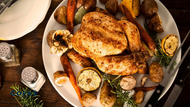
Gather Around the Table: A Free-Range Cockerel for Easter Sunday
Posted by Copas Farm Shop on 20th Feb 2026
If you’re looking for a centrepiece that feels traditional yet just a little bit different, a free-range cockerel is a wonderful choice for Easter. It’s hearty, full of flavour, and makes a striking addition to the table. I’d love to share how I like to prepare and cook it - simple, unfussy and absolutely delicious.
Why choose a free-range cockerel for Easter?
When you start with a high-quality, properly reared bird, like the ones we’re proud to offer at Copas Farm Shop, you’re already halfway there.
Here’s why I think it’s such a treat:
-
Slow rearing gives the meat a deeper, richer flavour.
-
Proper free-range farming creates better texture and succulence.
-
A 3kg bird comfortably serves 6–8 people, making it perfect for Easter gatherings without the scale of a turkey.
-
It feels special and impressive, while still being familiar and comforting.
It’s ideal if you want something celebratory but not overly heavy, just right for a bright spring Sunday.
What you’ll need
A little preparation makes the day feel effortless. Here’s what I like to have ready:
-
A high-quality free-range cockerel, around 3kg
-
Salt and freshly ground black pepper
-
Butter or oil — butter for richness, oil for crispness
-
Aromatics: onion, garlic, lemon and fresh herbs. Thyme, rosemary and sage all work beautifully
-
A roasting tray, with a rack if you have one
-
A meat thermometer, helpful but not essential
-
A good carving knife and board
Step-by-step: How I cook it perfectly
This is my tried-and-tested method. It’s simple, reliable and always earns compliments.
1. Bring to room temperature
Take the bird out of the fridge at least 30 minutes before cooking. This helps it roast evenly and keeps the meat tender.
2. Preheat the oven
Set your oven to 200°C (180°C fan).
3. Season generously
Rub the bird inside and out with salt and pepper. I like to gently loosen the skin over the breast and spread softened butter underneath, sometimes mixed with herbs. This keeps the meat beautifully moist and adds flavour.
If you prefer something lighter, a good drizzle of oil works wonderfully too.
4. Start hot
Place the bird in the oven at the higher temperature for around 20 minutes. This helps the skin crisp up and gives it a lovely golden head start.
5. Reduce and roast
Lower the temperature to 180°C (160°C fan).
Roast for approximately 30 minutes per kilogram. For a 3kg bird, that’s roughly 1½ hours after reducing the heat.
6. Check it’s ready
Pierce the thickest part of the thigh with a skewer or small knife. The juices should run clear, not pink. If they’re still slightly rosy, give it another 10 minutes and check again.
If using a thermometer, aim for an internal temperature of 75–80°C in the thigh.
7. Let it rest — don’t skip this
Once cooked, remove the bird from the oven and let it rest for at least 15 minutes, loosely covered with foil. Resting allows the juices to redistribute, keeping every slice moist and full of flavour.
A few Easter touches
If you’d like to elevate it even further, here are some of my favourite additions:
-
Stuff the cavity with halved onions, crushed garlic, lemon wedges and fresh herbs to gently perfume the meat.
-
Herb butter under the skin is always a winner, especially with spring flavours like thyme and rosemary.
-
Light basting every 30 minutes can add richness, but avoid opening the oven too often.
-
For extra crispy skin, turn the heat up slightly for the final few minutes — just keep a close eye on it.
-
Simmer the giblets with herbs and onion to make a wonderfully rich gravy.
Planning your Easter lunch
A little forward planning makes the day feel relaxed:
-
Allow plenty of resting time before carving.
-
If the bird is ready before your sides, keep it loosely covered and warm.
-
Prepare vegetables in advance — peel carrots, trim greens and par-boil potatoes — so you can enjoy a glass of something chilled while everything finishes cooking.
Why it’s worth doing well
When cooked with care, a free-range cockerel delivers something truly special. The flavour is deeper and more characterful than standard chicken, yet still light enough for a fresh, spring-inspired Easter feast. The meat is tender, the skin beautifully crisp, and it pairs perfectly with seasonal vegetables, roast potatoes and a proper homemade gravy.
Easter Sunday is about gathering, sharing and celebrating the season, and a beautifully roasted bird at the centre of the table makes it all the more memorable.
FAQs
Q1: What is the difference between a cockerel and a chicken?
A: A cockerel is a young male chicken that has been allowed to grow more slowly and mature naturally. Because it is older than standard supermarket chicken, the meat develops a deeper, richer flavour and a firmer, more satisfying texture.
Free-range cockerel is particularly prized for roasting, as it holds its shape beautifully and delivers a fuller, more traditional taste. If you’re looking for a high-quality free-range cockerel for Easter or a special Sunday roast, you can order directly from us at Copas Farm Shop, where our birds are carefully reared for flavour and quality.
Q2: How long does it take to cook a 3kg cockerel?
A: As a guide, a 3kg free-range cockerel takes around 1 hour 50 minutes to 2 hours to cook. Start it at 200°C (180°C fan) for 20 minutes to crisp the skin, then reduce the temperature to 180°C (160°C fan) and roast for approximately 30 minutes per kilogram.
The bird is ready when the juices run clear from the thickest part of the thigh or when it reaches 75–80°C internally. Always allow at least 15 minutes’ resting time before carving to keep the meat tender and juicy.
If you’re planning a special meal and want perfectly reared free-range cockerel delivered in time for Easter, you can find our full range and cooking advice at Copas Farm Shop.