
The Right Way to Store Fresh and Slow-Grown Meat
Posted by Copas Farm Shop on 12th Jun 2026
Good meat deserves to be stored properly. It sounds simple, but the way meat is handled once it reaches the kitchen has a real impact on flavour, texture, and how well it cooks later on. A proper meat storage guide is not only about keeping food fresh. It is about protecting the quality of something that has already been carefully prepared from the start.
At Copas Farm Shop, we put a great deal of care into how our meat is picked out and readied, so storing it properly at home becomes part of the process too. No matter if it’s a roasting joint for the weekend, or maybe something for everyday cooking, a few simple habits usually make the biggest difference.
Start by Storing Meat as Soon as It Arrives
One of the most important things in any meat storage guide is timing. Fresh meat should always be refrigerated as soon as possible after delivery or shopping.
We recommend placing meat into the coldest part of the fridge straight away rather than leaving it sitting on the counter while unpacking everything else. This helps maintain both freshness and texture.
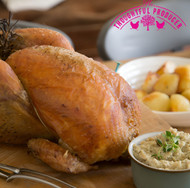
Products like our Thoughtful Producer Free Range Chicken, a multi-award-winning, slow-reared free-range chicken weighing 1.8–2.2kg, are best stored carefully from the moment they arrive. Because it is prepared for occasions such as Sunday roasts, Christmas Eve, or Boxing Day, keeping the meat properly chilled helps preserve the quality it is known for.
Keep Fresh Meat Properly Covered
Fresh meat should always be stored covered or sealed properly in the fridge. This helps maintain moisture while also preventing strong odours or unnecessary exposure to air.
We usually suggest:
- Keeping meat in its original packaging if it will be used quickly
- Rewrapping carefully if opened beforehand
- Avoiding overcrowding in the fridge so cold air can circulate properly
This becomes especially important with larger products such as our Free Range Whole Bronze Turkey. These award-winning free-range bronze turkeys are packed with juicy meat and rich traditional flavour, so proper storage helps keep both texture and freshness right until cooking day arrives.
Understand What Should Be Frozen
Not every piece of meat needs to be cooked immediately. Freezing properly is one of the easiest ways to reduce waste, while still protecting quality.
A good meat storage guide is really more about planning ahead rather than rushing to use everything up all at once, even if it seems tempting.
We usually recommend:
- Freezing meat as soon as possible if it will not be used within a few days
- Dividing larger quantities into manageable portions
- Labelling items clearly with dates before freezing
This is really useful when you’re dealing with bigger selections like our Premium Copas Beef Box, which has dry-aged heritage beef cuts, such as fillet steaks, sirloin steaks, ribeye steaks, roasting joints, burgers, sausages, mince, and short ribs. Splitting that into meal-sized portions kind of makes daily cooking feel way simpler for later.
Let Meat Breathe Before Cooking
One thing a lot of people overlook is that proper storage basically messes with how meat cooks once it comes out of the fridge, you know, it is not just about timing.
What we usually recommend is letting the meat sit for a short while at room temperature before you start, especially if it is a bigger cut or some roasting joint type thing. If you shove it straight from the fridge into the oven, it can mean it doesn’t cook as evenly, or at least the temperature behaves more unevenly than you’d expect.
So, that little pause helps keep the texture nicer and supports more balanced results, particularly with slow-grown meats, which already come with a natural depth of flavour.
Avoid Storing Meat for Too Long
Even when kept in the fridge properly, fresh meat is still something you want to use in a reasonable amount of time, ideally not stretching it too far.
One of the easiest bits of a solid meat storage guide is getting the habit of not overbuying, like not grabbing extra just because it's available, beyond what can really be eaten. Small and thoughtful shops can be a lot better than trying to stock everything at once and then filling the fridge without a clear plan, honestly.
We often recommend crafting dinners around what is already in your kitchen, before you go out and buy more. That approach usually cuts down waste and makes meal prep feel a bit less stressful week to week.
Keep Raw and Cooked Foods Separate
Cross-contamination is another important part of storing meat properly.
Raw meat should always be kept separate from cooked foods or ready-to-eat ingredients in the fridge. Most of the time, we suggest that raw products be stored on lower shelves, so there is no risk of their juices dripping onto other foods.
It’s a straightforward habit, but it helps keep food safety and freshness in better shape, without adding extra effort to the whole process.
Defrost Slowly for Better Results
When meat is frozen and then defrosted too fast, the texture can get worse. In most cases, we suggest thawing frozen meat little by little in the fridge, overnight if you can.
This gentler, slower routine helps keep moisture in place, and it supports more even cooking later on.
Products like steaks, roasting joints, or sausages from our Premium Copas Beef Box tend to benefit especially from slower defrosting because it helps maintain the texture developed during dry ageing.
Good Storage Protects Good Ingredients
At the end of the day, proper storage is really about protecting quality.
Slow-grown meat already carries a lot of character naturally. The texture, flavour, and balance are already there. Storing it carefully simply helps preserve that work until it reaches the table.
That is why a proper meat storage guide does not need to feel complicated. Most of the time, it comes down to a few simple habits repeated consistently:
- Refrigerate quickly
- Freeze thoughtfully
- Store carefully
- Cook with a plan
Those small details often make the biggest difference.
In Summary
Storing fresh and slow-grown meat properly helps maintain the quality, flavour, and texture that make good ingredients worth choosing in the first place. A few careful habits usually go much further than people expect.
At Copas Farm Shop, products such as our Thoughtful Producer Free Range Chicken, Free Range Whole Bronze Turkey, and Premium Copas Beef Box are prepared with long, slower cooking traditions in mind. Proper storage simply helps those products remain at their best from the moment they arrive to the moment they are served.
Ready to cook with carefully prepared slow-grown meat?
Frequently Asked Questions
What is, in general, the best way to store fresh meat in the fridge?
Fresh meat should sit in the coldest spot inside the fridge, and it ought to be sealed or covered well, like actually snug, not just loosely wrapped. Also, keeping it away from ready-to-eat items helps a lot with freshness and basic food safety, too. If you use the meat within the suggested window, it usually lands the best flavour and texture balance overall.
Can slow-grown meat be frozen successfully?
Yes, slow-grown meat freezes pretty well, but only if it was stored correctly before. We suggest portioning bigger amounts first, then freezing those portions and labelling everything clearly, so later you don’t end up guessing. Freezing earlier rather than waiting a few days generally supports quality, and it also makes future meal planning feel far less stressful.
Why should meat be brought closer to room temperature before cooking?
Letting meat sit briefly out of the fridge helps it cook more evenly, kind of by allowing the temperature to settle. Larger cuts, especially, tend to benefit, because the heat can travel through the meat more steadily. That often gives a better texture, and it helps retain moisture during roasting or any slower cooking method people do at home.
How long can fresh meat stay in the fridge before freezing?
It depends on what it is, but fresh meat is generally best used within a few days after purchase, unless you freeze it earlier. Proper refrigeration does a lot for keeping it fresh, but we usually advise freezing sooner rather than later when there’s no immediate cooking plan.
Does proper storage really affect flavour and texture?
Yes, it really does. If storage is sloppy, the meat can dry out, or its texture may change before you even start cooking. Keeping it properly chilled, freezing it carefully, and defrosting slowly all work together to protect the natural flavour profile and the consistent feel slow-grown meat is known for.