
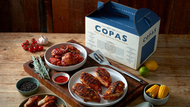
What Is A Meat Box Delivery and How Does It Work?
Posted by Copas Farm Shop on 28th Aug 2026
Meat delivery is a service that sends fresh, chilled or frozen cuts directly to your door, usually ordered online from a butcher, farm shop or specialist retailer. Orders are packed in insulated boxes and dispatched by refrigerated courier, arriving in food-safe condition. Quality varies considerably depending on how the animal was raised and how the meat was processed.
Key takeaways
- Meat delivery ranges from supermarket-grade produce to farm-direct, high-welfare cuts; the supply chain behind the box determines the quality in it.
- Dry-aged beef and slow-grown poultry are common premium options available through farm shops such as Copas Farm Shop, where birds have been raised since 1957.
- Fresh sausages are classified as processed meat because they have been minced and mixed with seasoning, even though they contain no added preservatives.
- Gamey meats — venison, rabbit, wild boar, pheasant — are less widely stocked online than beef or chicken, but specialist farm shops carry them year-round.
- Ordering a half-lamb or full-range meat box from a farm direct source typically offers better value per cut than buying individual pieces at retail price.
What actually makes a meat delivery worth ordering?
The single biggest variable is provenance. A vacuum-packed chicken from a warehouse fulfilment centre and a hand-plucked, dry-aged bird from a family farm are both "delivered chicken" — but they are not the same product. What matters is how the animal was raised, what it ate, how long it hung, and who packed it.
Copas Farm Shop, a family farm in the UK, ships farm meats that are pasture-raised and dry-aged for depth of flavour. In practice, the difference shows clearly in the cooking: slow-grown meat has more developed muscle fibres, which hold moisture better and produce a fuller flavour in the pan.
How does meat delivery actually work?
You browse, select cuts, and check out online. The farm or supplier packs your order in an insulated box with ice packs or dry ice, then dispatches it via a chilled courier service, typically on a next-day or two-day delivery schedule. Chilled meat arrives at 0–5°C; frozen meat stays hard throughout transit.
The key practical consideration is delivery day. Most premium suppliers offer limited dispatch days — usually Tuesday to Thursday — to avoid your order sitting in a depot over a weekend. Always check the lead time, particularly around Christmas when demand for free-range turkeys peaks and orders sell out weeks in advance.
Farm shop delivery vs supermarket delivery: which is right for you?
| Option | Best for | Typical cost | Honest limitation |
|---|---|---|---|
| Farm shop / direct supplier | Premium cuts, provenance, flavour | Higher per kg | Smaller range, limited dispatch days |
| Online butcher | Variety, bespoke orders | Mid-range | Quality varies by supplier |
| Supermarket delivery | Convenience, everyday staples | Lower per kg | Welfare standards often unclear |
| Frozen specialist | Long shelf life, bulk buying | Mid-range | Texture can differ from fresh |
If flavour and welfare are your priorities, a farm shop or direct supplier is the right call. If you need volume at low cost for everyday meals, a supermarket box will serve you better. The two aren't in competition — most households use both for different purposes.
What's worth ordering for a special occasion?
High-welfare, slow-grown birds and heritage-breed beef cuts are where farm delivery earns its price. A free range lamb box, for instance, gives you a variety of cuts from a single animal — shoulder, leg, rack, mince — at a better combined value than buying each cut individually at a butcher's counter.
Venison is another strong choice for a special meal. It's lean, rich in iron, and has a depth of flavour that farmed beef rarely matches. Naturally lower in fat than most red meats, it pairs well with robust seasonal vegetables.
Frequently Asked Questions
Is fresh sausage processed meat? Yes. Fresh sausages are considered processed meat because the raw pork or beef has been minced, mixed with seasonings and fillers, and formed into a casing — all of which count as processing. They don't need to contain preservatives or nitrates to qualify as processed; the mechanical and compositional transformation is enough.
Is all sausage processed meat? All sausages — fresh, cured, smoked or fermented — are technically processed meat. The degree of processing varies: a fresh pork sausage made from minced shoulder with salt and herbs is processed far less than a shelf-stable salami cured with nitrates. Both are classified as processed under standard food definitions.
Which meat tastes the most gamey? Wild boar tends to have the most pronounced gamey flavour, followed closely by mature venison and pheasant. Gaminess comes from the animal's diet, activity level and age — wild animals that forage and move freely develop stronger-tasting muscle tissue than their farmed equivalents.
What are the three types of sheep meat? The three types are lamb (under 12 months old), hogget (12–24 months) and mutton (over 24 months). Lamb is the mildest and most widely sold. Hogget sits between the two in flavour, and mutton has a deeper, more robust taste that suits slow-braising.
Is meat from the butcher's organic? Not automatically. A butcher may stock organic-certified meat, but the label depends on the farm's certification, not the butcher's status. Always ask for confirmation of organic certification or look for the Soil Association logo, which is the most recognised organic standard in the UK.