
What Makes Certain Cuts Easier to Cook Than Others
Posted by Copas Farm Shop on 13th Apr 2026
Some cuts of meat ask very little of you. They go into the oven, take their time, and come out as expected. Others need more attention. A bit more timing, a bit more care, and sometimes a better understanding of how they behave as they cook.
Most of this comes down to the cut itself.
All our meat products at Copas Farm Shop are prepared for simple home cooking. The range of products includes whole free-range Turkey and roasting joints, together with smaller cuts which are suitable for quick meal preparation. Some things are easy to use because you can depend on them without needing much work. People need to select their first step because it determines their level of expertise.
It is not about skill as much as it is about choosing the right starting point.
Cuts That Cook Evenly Without Much Effort
The easiest cuts are usually the ones that cook evenly from edge to centre.
A beef roasting joint is a good example. A beef roasting joint is a good example. The beef cuts that we selected for preparation undergo multiple methods that allow them to retain their original shape throughout the cooking process in ovens. The meat structure enables heat to travel through the meat body, which results in slower exterior cooking while the interior reaches proper temperature.
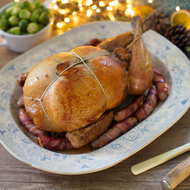
The same applies to a whole chicken. Our free-range chickens are a straightforward option when you want something that does not need much managing. Once seasoned and placed in the oven, they tend to cook in a consistent way, especially at a moderate temperature.
These cuts are often the starting point for a reason. They give you a bit more room to step back while everything comes together.
Why Fat Content Makes a Difference
Fat plays a part in how forgiving a cut can be.
Meat cuts that contain more unprocessed fat content will maintain their moisture throughout the cooking process. The process becomes simpler because the system allows flexible timing. The meat from lamb demonstrates this principle. The Free Range Lamb Box contains cuts that possess sufficient fat content to endure extended cooking without losing moisture.
Leaner cuts can still work well, but they usually need a bit more attention. The cooking process requires less protection when fat is absent from the meat. The better cooking method for specific cuts of meat requires slower cooking because it allows fat to perform its functions while maintaining optimal texture.
Bone-In vs Boneless Cuts
Whether a cut is on the bone also affects how it cooks.
Bone-in cuts maintain their moisture content better than other types of meat. The bone delays the cooking process while it provides more uniform heat distribution. The difference becomes more significant when you work with larger meat portions.
Boneless cuts are simpler to cut than other types of meat, but their cooking time can exceed expectations. The situation does not create a problem, but you must monitor it more frequently.
Both items serve their respective functions. Your cooking preference between slow cooking and faster cooking determines which option to choose.
Size and Thickness Matter
Larger joints require less cooking difficulty because their temperature changes respond to heating fluctuations at a slower rate.
The entire piece shows less temperature difference when the oven operates at slightly hotter or cooler settings. The cooking speed of smaller cuts enables faster preparation, but their reduced cooking time makes it harder to modify recipes. The additional time of two extra minutes creates a significant impact on results.
Smaller cuts cook faster, which can be useful, but they also leave less room for adjustment. A few extra minutes can make more of a difference.
That is why many people choose a proper roasting joint for a relaxed meal. It gives you more control without needing constant attention.
Thinking about a roast this week?
[Shop Our Beef Roasting Joints]
When Simplicity Works Best
Some of the easiest meals come from not overthinking the cut.
A turkey crown, for example, is something that works well beyond seasonal occasions. It is simple to prepare, easy to carve, and cooks in a predictable way. It suits a slower oven and does not need much added to it.
The same can be said for many of the cuts included in our butcher boxes. They are selected so they cook as expected, whether you are planning a roast or something more straightforward during the week.
In most cases, it comes back to choosing something that is prepared properly to begin with.
Why Preparation Still Matters
Even with easier cuts, a few small steps make a difference.
Let the meat come to room temperature before cooking. Season it properly. Give it time in the oven without rushing the process.
Most of what we offer at Copas Farm Shop is already prepared with this in mind. Whether it is a beef joint, a whole chicken, or a lamb cut, it is ready to cook without needing much adjustment.
That is part of what makes certain cuts feel easier. They do not require much beyond the basics.
Conclusion
Certain meat cuts are simpler for cooking purposes because they permit greater cooking mistakes. The cooking process requires less effort because the food maintains its moisture content and cooks at a consistent rate, and provides additional time for chefs to finish their other tasks.
The cooking process requires different degrees of supervision because different methods exist for handling the tasks. The cooking method selection process requires you to pick a particular meat cut that matches your cooking style.
The Copas Farm Shop offers various prepared roasting joints and complete birds and standard meat cuts, all of which deliver consistent cooking results throughout their preparation.
Frequently Asked Questions
Which is the most convenient cut of meat to cook at home?
Larger cuts, such as beef roasting joints or a whole chicken, are useful to manage in the home. They are better even cookers, not too sensitive to slight changes in temperature. This will buy you some time to put together the rest of the meal without having to check the oven every few minutes.
Is meat easier to cook with fat?
In many cases, it does. A slice containing some natural fat will keep wet during the whole time cooking, although the timing may not be precise. The fat also keeps the meat more forgiving and less likely to go dry in the oven, should it be left in the oven a little longer.
Are bone cuts healthier to cook?
In some cases, bone-in cuts can be easier. The bone allows the meat to retain moisture and may slow the cooking process a bit, which, in turn, causes the heat to flow through the cut in a more even manner. This usually leads to a more uniform texture, particularly when cooking larger amounts.
Does a smaller chop cook quicker or slower?
Smaller pieces tend to cook more quickly, so this can be useful when you have a short time. But they require some more attention, too, because even a couple of additional minutes may alter the final outcome. Bigger cuts are much more accommodating, allowing you to be more flexible as everything falls into place.