
Why Free-Range Meat Tastes Better: Understanding Farm-to-Table Quality
Posted by Copas Farm Shop on 16th Jun 2026
Most supermarket meat today is completely disappointing. Mass production forces these animals to grow way too fast, and that industrial rush leaves you with bland, watery meat that shrivels up to nothing the second it hits your oven.
Real quality takes time, and you simply cannot fake it with factory shortcuts. The way an animal lives out its life changes everything about how it tastes. At Copas Farm Shop, we never rush things. We let nature do the work.
Slow farming is exactly how you get the real benefits of free range meat. When livestock grow at their own natural pace, it changes an ordinary Sunday dinner into a very, very special meal you actually talk about.
The Science of Slower Growth
Our free-range animals spend their lives outdoors, roaming pastures, developing real muscle naturally. Because they are actually moving around every day without stress, healthy fat builds up inside the muscle tissue as fine, beautiful marbling.
When that meat cooks, all that inner fat melts right back into the cut. That is where real juiciness comes from. It gives you a deep, savory flavor that factory-farmed stuff trapped in a shed will never have.
Factory farming often prioritizes faster growth cycles than occur naturally. This can lead to meat with a higher water content and less developed muscle structure. When cooked, that excess moisture can release into the pan, sometimes resulting in a drier, less flavorful texture.
Traditional farming is completely different because we let the animal mature slowly. This patience gives the meat a much tighter, denser structure. It holds its shape perfectly in the oven and tastes like meat used to taste.
The Impact of a Pasture Diet
Animals are what they eat, plain and simple. Livestock raised out on open fields spend their days foraging on fresh grass, clover, and wild herbs. That natural diet completely changes the final flavor profile.
A diverse pasture diet infuses the meat with a rich, slightly earthy taste. You lose all of that depth when animals are locked indoors and fed nothing but mass-produced, identical blocks of processed grain pellets.
- Dietary Diversity: Eating wild plants and herbs adds subtle, natural layers of flavor that you cannot buy in a feed bag.
- Nutritional Superiority: Pasture-reared livestock naturally carry far higher levels of vitamins and healthy Omega-3 fats.
- Proper Meat Color: A real, natural diet makes the meat look darker and richer before it even touches a hot pan.
- Real Seasonal Flavor: The taste shifts slightly depending on the time of year, just like nature intended.
This outdoor lifestyle doesn't just make the food taste vastly superior. It also means you are putting clean, healthy food on your kids' plates, without any of the weird growth chemicals common in modern factory setups.
How Calm Lives Influence Tenderness
Stress ruins meat, and that is a biological fact. When an animal is crowded or stressed out, its body dumps adrenaline into its system. This completely destroys the natural sugars stored right inside the muscles.
Without those natural sugars, the meat turns incredibly tough, dry, and stringy during cooking. A peaceful, quiet life out in open green fields keeps those sugars intact, which makes the meat beautifully juicy and tender.
High-welfare farming means our animals are looked after with real respect. Keeping their lives quiet and calm preserves the natural balance of the meat, so it does not seize up or dry out when you roast it.
You can genuinely taste a calm lifestyle in every single bite. The meat holds onto its own natural moisture perfectly, meaning you do not have to fuss around with complicated recipes to make it taste brilliant.
The Art of Traditional Craftsmanship
The hard work doesn't stop once the livestock leaves the field. Proper artisan butchers still do things the old way, like dry-aging beef on the bone or hand-finishing our free-range poultry with real care.
Dry-aging takes time and space, letting natural processes break down tough fibers while excess moisture evaporates. This concentrates the juices, giving you a remarkably rich texture that turns a basic meal into a massive celebration.
Supermarkets pack their meat with extra water and throw it straight into plastic wrapping to make it weigh more. That trapped moisture basically steams the meat while it cooks, ruining any chance of a decent, crispy crust.
Our team at Copas Farm Shop does things properly, without cutting corners. We know that taking the slow, traditional route is the only honest way to deliver the kind of quality people expect for a special family gathering.
Celebrating the True Farm-to-Table Experience
Buying high-welfare food isn't just about being ethical or healthy. It is about wanting food that actually tastes good. It is a conscious choice to reject factory shortcuts and support real, patient farming.
Sourcing your meat from proper fields brings real honesty back to your kitchen table. You are supporting a better way of farming that looks after the countryside while getting something genuinely incredible to feed your family.
Every single meal should be something you actually enjoy, not just a chore. By avoiding mass-produced supermarket shortcuts, you get the deep, authentic flavors that nature intended, turning every dinner into a real pleasure.
Bring the Finest Quality to Your Table
If you want to experience the true benefits of free range meat at your next family dinner, you have to do things right. There is no substitute for patience and decades of real farming wisdom.
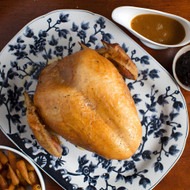
If you want the ultimate festive centerpiece without any of the usual hassle, take a look at our Free Range Bronze Turkey Crown. Our butchers hand-trim the legs off, leaving you with pure, premium white breast meat.
We dry-pluck these birds and game-hang them for two solid weeks to concentrate the flavor. That means zero messing about with foil or constant basting, you just pop it straight into the oven and let it cook.
From our signature turkey crowns to our properly dry-aged steaks, we focus on making your main meal unforgettable. Head over to the Copas Farm Shop online store today and taste the difference for yourself.
[ Browse the Farm Shop Store ]
Frequently Asked Questions
Why is free-range meat pricier than what I buy at the supermarket?
Supermarkets crowd animals into sheds and force them to grow at warp speed to keep costs down. We refuse to do that. Letting livestock live outdoors and grow slowly takes serious time, space, and manual labor. You are paying for honest farming, not an industrial shortcut.
Does a stress-free life actually make the meat more tender?
One hundred percent. When livestock get stressed or crowded, adrenaline pumps through their system and burns up the natural sugars in the muscle. That is why cheap meat cooks up like cardboard. A quiet, calm life in open fields keeps those sugars intact, making the meat naturally juicy.
What is the real difference between free-range and organic?
People mix these up constantly. Free-range is strictly about lifestyle—making sure the animals spend their days outside with total freedom on proper pasture. Organic is mostly about paperwork and certified feed. At Copas, our obsession is giving animals the best outdoor life possible, period.
How does eating grass and clover change the flavor?
Factory livestock eat the exact same dry, bland pellets every single day, so their meat tastes like absolutely nothing. Our animals forage on fresh grass, clover, and wild herbs. That natural, varied diet is what creates a deep, old-fashioned flavor that actually stays in your mouth.
What are the actual health benefits of free-range meat?
Bottom line, you're putting much cleaner food on your family's table. Animals that eat fresh pasture naturally produce meat packed with higher vitamins and good Omega-3 fats. Plus, because we let them grow naturally, you never have to worry about weird artificial growth hormones.