
Why Traditional British Farming Produces Superior Roasting Meat
Posted by Copas Farm Shop on 10th Jun 2026
There’s a clear difference you notice when roasting meat that comes from a traditional British farm. It’s not just about taste. It’s about how the animal was raised, how it lived, and the time taken at every stage before it reaches the kitchen.
At Copas Farm Shop, we haven’t really changed the way we farm for decades. We still focus on outdoor living and proper care. That’s what shapes roasting meat quality in a real, noticeable way once it’s cooked.
Traditional British farming isn’t built for speed. It’s built for flavour, texture, and consistency.
Raised Slowly, Naturally, And With Space To Live Well
The biggest difference starts in the field. Animals are given space, fresh air, and time to grow at a natural pace. Nothing is rushed.
We rear turkeys, cattle, chickens, and lambs outdoors, at Copas Farm Shop, with a focus on welfare and steady growth. That slower approach creates meat that holds its structure better during roasting and doesn’t dry out as easily.
It also affects flavour. When animals move more and grow naturally, the meat develops a deeper, fuller taste that shows up clearly on the plate.
What Slow Farming Changes In The Meat Industry
- Better texture that stays tender after roasting
- More natural fat distribution for flavour and moisture
- Less shrinkage during cooking
- Stronger, more traditional taste without heavy seasoning
- Even cooking results in the oven
Diet, Pasture, And Natural Feeding Make A Real Impact
What animals eat plays a big role in the final quality. Traditional British farming relies heavily on natural grazing and outdoor feeding, especially for cattle and sheep.
At Copas Farm Shop, our heritage beef and lamb come from animals raised on pasture, where they graze freely. That grass-based diet builds a cleaner flavour and improves how the meat responds to heat during roasting.
The same applies to poultry raised outdoors. The combination of movement and natural feed produces meat that is richer, not heavier, and much more reliable when cooked slowly in the oven.
Why Slow-Grown Poultry Changes Roasting Results
One of the clearest examples of roasting meat quality comes from slow-grown turkeys and chickens. These birds are given far more time to mature compared to standard commercial systems.
That extra time allows muscle development to happen properly, which is what gives roasted meat its firmness without toughness.
At Copas Farm Shop, this approach is central to our poultry. The result is meat that doesn’t fall apart under heat and keeps its moisture naturally.
Careful Farming And Handling Matter More Than People Think
When animals are calm, properly handled, and raised in low-stress environments, the meat performs better during cooking. Stress can affect muscle quality, which shows up later in dryness or uneven texture.
Traditional farms avoid that by keeping conditions natural and handling animals with care throughout their lives.
The Role Of Butchery In Roasting Meat Quality
Skilled butchery ensures roasting joints are balanced, with the right fat levels and shape for even cooking. Cuts are not rushed or standardised for mass production. They’re prepared with cooking in mind.
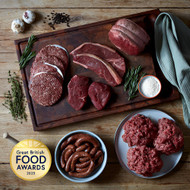
A strong example of this is the Regular Copas Beef Box, which includes a mix of pasture-reared, dry-aged heritage beef cuts. It brings together roasting joints, steaks, and everyday cuts that are all prepared with consistency in mind. Everything is selected to perform well in real home cooking, especially roasting, where balance and texture matter most.
This is where traditional farming shows its strength. You’re not just buying beef. You’re getting a full range of cuts that behave properly in the oven because they’ve been raised and prepared that way from the start.
Seasonal Farming Keeps Standards Consistent
Traditional British farming follows natural seasons rather than forcing year-round uniform production. That rhythm matters more than it seems.
Animals raised in line with seasonal conditions develop more naturally, and the meat reflects that cycle in both flavour and texture.
Copas Farm Shop works the same way, with turkey for Christmas, lamb in the spring, and beef and chicken available year-round, all still guided by natural farming cycles.
Why Traditional Methods Still Matter Today
Modern food production often focuses on scale and speed. Traditional British farming takes the opposite approach.
It prioritises time, care, and natural growth.
You notice it most in roasting, where meat has to hold shape, stay moist, and carry flavour without too much intervention.
Final Thoughts
Roasting meat quality doesn’t start in the kitchen. It starts on the farm, long before cooking begins.
Traditional British farming continues to stand out because it respects that process. It gives animals time to grow properly, space to live well, and care at every stage.
That’s why meat from Copas Farm Shop feels different when roasted. It’s fuller in flavour, more consistent in texture, and closer to how we think real food should taste.
Order from Copas Farm Shop and bring traditional British farming to your table with roasting meat that speaks for itself.
[Order Your Roasting Meat Today]
FAQ
What makes traditional British farming better for roasting meat?
It’s mostly how the animals are raised. More space, more time outdoors, and a slower pace overall. That just shows up later when you cook it. The meat holds together better, keeps its juices, and doesn’t feel like it’s been pushed too hard in production.
Why does slower animal growth improve meat quality?
Because nothing’s rushed, when animals grow at a natural pace, everything develops properly underneath. You end up with meat that doesn’t tighten up as much in the oven and feels more even when you carve it. It just behaves better when you cook it.
Does pasture feeding really affect roasting results?
Yes, and you can usually taste it straight away. Grass-fed meat tends to have a cleaner, deeper flavour. The fat content is different, too, which helps it stay moist during roasting. It doesn’t need much doing to it to taste good.
What role does butchery play in roasting quality?
More than people think. If a joint is cut badly or trimmed too lean, it can throw everything off in the oven. Good butchery keeps the balance right, so it cooks evenly. It’s one of those behind-the-scenes things that makes a big difference.
Why does Copas Farm Shop's meat taste different?
It’s the full setup, not one single thing. Slow growth, outdoor rearing, proper handling, all of it stacked together. We don’t rush the process anywhere. That’s why the meat comes out with more flavour and a more reliable roast when you keep it simple at home.