
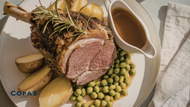
An Easter Tradition: My Favourite Way to Roast a Leg of Lamb
Posted by Copas Farm Shop on 10th Feb 2026
Easter lunch has always been one of my favourite meals to cook. The house fills with the smell of roasting lamb and herbs, and before long, everyone finds their way into the kitchen to see how it’s coming along. It’s the kind of meal that invites people to linger at the table. Outside, the spring air is fresh, flowers are beginning to bloom, and the table is filled with seasonal favourites.
At the centre of our Easter table each year is a beautifully roasted leg of lamb. For me, it’s a dish that speaks of celebration, tradition and time spent with the people I love. Over the years, I’ve settled on a way of cooking lamb that I return to time and again. Served with golden roast potatoes, fresh greens and a good gravy, it’s a meal that rarely leaves leftovers.
A bone-in leg of lamb is my preferred choice. The bone helps conduct heat and adds flavour as it cooks, giving you a fuller, richer result.
Preparing the Lamb
I take the lamb out of the fridge about an hour before cooking so it can come up to room temperature. This helps it cook evenly.
My seasoning is simple and traditional: sea salt, freshly ground black pepper, rosemary, thyme and garlic. I make small slits in the meat and tuck in slices of garlic and sprigs of rosemary so the flavours work their way into the joint. It’s a classic pairing because it suits lamb so well.
Roasting to Perfection
I roast the lamb in two stages. First, a hot oven at about 220°C (200°C fan) for 20–30 minutes to give it a golden crust. Then I lower the heat to 190°C (170°C fan) and let it cook more gently until it’s done to my liking.
As a guide, I allow around 15–20 minutes per 500g for medium-rare, adjusting slightly depending on how people prefer it. A meat thermometer is useful if you want to be precise.
Once cooked, I always rest the lamb for at least 15–20 minutes before carving. This makes all the difference, allowing the juices to settle and the meat to stay tender.
Adding Extra Flavour
A few small touches can lift the roast even more. Basting the lamb with its own juices during cooking helps keep it moist and builds flavour. Sometimes I scatter a few extra herbs in the roasting tray for aroma.
Just before serving, a light pinch of sea salt and a handful of fresh herbs can brighten everything up.
Serving the Roast
Easter lamb deserves proper accompaniments. Crisp roast potatoes, seasonal greens and a good mint sauce or gravy are natural partners. I often use the pan juices to make a simple homemade gravy, which brings the whole plate together.
Bringing It All to the Table
Cooking a leg of lamb for Easter is about more than the recipe. It’s the build-up as it roasts, the scent drifting through the house, and the pleasure of sharing a meal with family and friends. Starting with good lamb and cooking it with care turns a simple roast into something special.
Easter comes but once a year, which makes it the perfect excuse to slow down, cook a proper meal and enjoy it together at the table.
Check out our Copas Free-Range Lamb Box here.
FAQs
Q1. How long do you cook a roast leg of lamb?
Cooking time depends on the weight of the lamb and how you like it done. As a general guide, roast lamb at 190°C (170°C fan):
-
Medium-rare: 15–20 minutes per 500g
-
Medium: 20–25 minutes per 500g
-
Well done: 25–30 minutes per 500g
Start with 20–30 minutes at a higher heat (220°C/200°C fan) to brown the outside, then lower the temperature. Always rest the lamb for 15–20 minutes before carving so it stays juicy.
Q2. What temperature should a roast leg of lamb be cooked at?
Most UK home cooks roast leg of lamb at 190°C (170°C fan) after an initial blast at a higher heat to colour the meat.
If using a meat thermometer:
-
Medium-rare: ~55–60°C
-
Medium: ~60–65°C
-
Well done: ~70°C+
Checking the internal temperature is the most reliable way to get the result you want.