
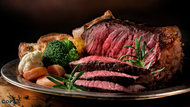
Beef Wellington vs roast beef: which centrepiece suits your table best
Posted by Copas Farm Shop on 17th Aug 2026
Beef Wellington suits a dinner party where presentation carries as much weight as flavour, while roast beef is the better choice for a relaxed family gathering where generous portions and simplicity matter most. Both are worthy centrepieces, the right one depends on your occasion, your confidence in the kitchen, and how many people you are feeding.
Key takeaways
- Beef Wellington typically costs £15–£25 per head in raw ingredients and takes around 2–3 hours of active preparation, including chilling time.
- Roast beef can feed 6–8 people from a single joint priced around £40–£60 and requires far less hands-on effort.
- Beef Wellington uses a fillet of beef — the most expensive cut — wrapped in duxelles and puff pastry, meaning there is little margin for error.
- Roast beef tolerates a wider range of cuts, from topside to rib-eye, and is far more forgiving if timings slip.
- At Copas Farm Shop, our heritage-breed beef is pasture-grazed and dry-aged, which means both dishes benefit from depth of flavour that leaner, faster-grown beef simply can't match.
What is the difference between Beef Wellington and roast beef?
Beef Wellington is a fillet of beef coated in a mushroom duxelles, wrapped in Parma ham and enclosed in puff pastry, then baked until golden. The pastry creates a sealed environment that steams and roasts the beef simultaneously, producing a tender, flavour-layered result with a dramatic cross-section when sliced.
Roast beef is a beef joint — typically topside, rib or sirloin — cooked uncovered in an oven with dry heat. The exposed surface browns and forms a crust, the inside stays juicy, and the natural dripping becomes the base for gravy. It's one of the simplest large-format meat dishes in British cooking, and none the worse for that.
How do preparation and skill level compare?
Beef Wellington demands precise sequencing. The beef must be seared and chilled, the duxelles must be cooked completely dry, the assembled roll must be refrigerated before baking, and the internal temperature must be monitored closely — typically 54–57°C for medium-rare at the centre. If the duxelles retains moisture or the pastry is sealed poorly, the base turns soggy.
Roast beef requires far less precision. Season a quality joint, bring it to room temperature, roast at the right temperature for the cut's weight, and rest it well. A meat thermometer helps, but experienced cooks can judge doneness by touch. Crucially, mistakes are more recoverable here — a slightly overdone roast is still a satisfying meal.
Beef Wellington vs roast beef: a direct comparison
| Beef Wellington | Roast beef | |
|---|---|---|
| Best for | Dinner parties, celebrations, smaller groups | Family gatherings, Sunday lunch, larger tables |
| Portions (typical joint) | 4–6 people | 6–10 people depending on cut |
| Cost per head | £15–£25 | £6–£12 |
| Prep time | 2–3 hours (including chilling) | 30 minutes active prep |
| Skill level | Intermediate to advanced | Beginner to intermediate |
| Key risk | Soggy pastry, uneven cook | Overcooking, insufficient resting |
| Showstopper factor | Very high | High |
Which cut of beef works best for each dish?
For Beef Wellington, fillet is non-negotiable for most recipes. It's the most tender cut, uniform in shape, and cooks evenly inside the pastry. Using a cheaper cut risks uneven texture and tougher eating.
For roast beef, the field is broader. Topside is lean and economical. Rib of beef delivers the richest flavour and a dramatic bone-in presentation. Sirloin sits in between — good marbling, good tenderness, strong flavour. In our work with Copas clients, dry-aged beef makes a measurable difference across all cuts: the moisture loss concentrates flavour, and the enzymatic process tenderises the muscle fibres without any additional effort on your part.
Which is better value for a large table?
Roast beef wins on cost-per-head, almost without exception. A 2.5kg topside joint at around £50 will feed eight people comfortably alongside roast potatoes, Yorkshire puddings, and seasonal vegetables. The dripping and resting juices yield a gravy worth more than most bought sauces.
Beef Wellington is a considered investment rather than an economy choice. The fillet alone for six portions can cost £35–£50, with pastry, Parma ham and duxelles adding another £10–£15. For smaller gatherings of four to six where impact matters, that investment is well placed. For a table of twelve, it becomes logistically and financially demanding.
What should you serve alongside each dish?
Roast beef pairs naturally with roast potatoes, horseradish cream, wilted greens, and a red wine gravy built from the pan dripping. It's a complete table — forgiving of extra dishes, happy alongside farm meats like lamb if you want to offer two centrepieces.
Beef Wellington wants cleaner sides: buttered green beans, fondant potatoes, or a simple dressed watercress salad. Rich accompaniments compete with the pastry and duxelles. A good Madeira or red wine sauce served on the side is traditional and well-suited.
Frequently Asked Questions
Can you prepare Beef Wellington the day before? Yes. Assemble the Wellington up to the point of baking, wrap it tightly in cling film, and refrigerate overnight. Bring it to room temperature for 30 minutes before baking and add 5–10 minutes to the oven time to account for the cold start.
Which is more impressive at a dinner table? Beef Wellington tends to create more of a reaction when sliced at the table, thanks to its layered cross-section. Roast beef — particularly a bone-in rib — has a different kind of drama, more generous and familial in feel.
What beef does Copas Farm Shop sell for a roast? Our farm meats include heritage-breed beef that is pasture-grazed and dry-aged for a deeper, fuller flavour — suited to both a Sunday roast and a Wellington. We also offer free range lamb if you want a second centrepiece option.
What internal temperature should roast beef reach? For medium-rare, pull the joint from the oven at 52–54°C and rest it for at least 20 minutes — carryover heat will bring it to 55–58°C. For medium, aim to pull at 58–60°C before resting.
Is Beef Wellington suitable for a crowd of more than eight? It is possible to cook two smaller Wellingtons side by side, which gives you more portion control and reduces the risk of an uneven bake. For tables of ten or more, roast beef is usually the more practical and more economical choice.
Which dish reheats better the next day? Roast beef reheats well in a low oven at 150°C with a splash of stock, or slices beautifully cold in sandwiches. Beef Wellington doesn't reheat successfully — the pastry softens and the beef overcooks, so it is best planned to be finished on the day.