
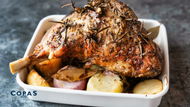
Best Lamb Joint for Roasting
Posted by Copas Farm Shop on 14th Jan 2026
Here at Copas Farm Shop, I'm delighted to share my thoughts on selecting the perfect lamb joint for your Sunday roast or special occasion. There's something rather special about a beautifully roasted lamb – it's a true centrepiece that brings people together. When you choose the right cut and prepare it with care, you'll create a roast that's tender, flavourful, and sure to have your guests asking for seconds.
Understanding Your Lamb Cuts
Before we dive into recipes, I think it's worth understanding the different cuts of lamb available for roasting. Each one has its own unique characteristics that affect both flavour and texture, and knowing these differences will help you make the perfect choice for your Easter table.
Leg of Lamb
A leg of lamb is a classic choice for a special roast, and it's what many of us picture when we think of a traditional Sunday lunch. You'll find it available bone-in or boneless – I'm rather partial to bone-in legs as they tend to have more flavour, though boneless joints are certainly easier to carve. A leg of lamb is ideal when you're serving a crowd, and it provides a beautifully lean, tender roast when cooked slowly at a lower temperature.
Shoulder of Lamb
The shoulder is another excellent option for roasting, and it's one of my personal favourites. It contains more fat than the leg, which means you'll get an incredibly juicy and flavourful result. The shoulder is particularly well-suited for slow roasting – the extended cooking time allows the meat to become wonderfully tender and easily pulled apart. It's simply delicious.
Lamb Shanks
Lamb shanks come from the lower part of the leg and are smaller individual portions that pack a real punch in terms of flavour. They're perfect for slow cooking and make for a hearty meal when prepared with vegetables and fresh herbs. Whilst they're not as large as a leg or shoulder, they're a lovely option if you're looking for something a bit different.
Rack of Lamb
A rack of lamb consists of the ribs and is often considered the most elegant cut. It's perfect for special occasions and can be roasted whole or cut into individual chops. Whilst the rack is typically more expensive, it offers a tender and flavourful roast when cooked correctly – and it does make a rather impressive centrepiece.
My Top Recommendations for Slow Roasting
When it comes to slow roasting, the shoulder of lamb often comes out on top in my book. Its higher fat content ensures the meat remains beautifully moist and tender during the long cooking process. The shoulder's rich flavour pairs wonderfully with herbs and spices, making it a versatile choice for various recipes.
For those who prefer a leaner cut, the leg of lamb is an excellent option. It's tender and flavourful, especially when marinated before cooking. A slow-roasted leg of lamb can be just as delicious as the shoulder, provided you cook it at a low temperature to prevent it drying out.
If you're looking for exceptional quality lamb, I'd encourage you to explore our Free Range Lamb Box: Half a Lamb. It's a generous selection of cuts from lambs reared right here on our Cookham farm, raised outdoors with plenty of space to roam using high-welfare, traditional farming methods. The result is beautifully tender meat with rich, natural flavour.
Delicious Lamb Roasting Recipes
Now that we've covered the best joints for roasting, let me share some rather lovely recipes that will make your Sunday lunch or special dinner truly memorable.
Slow-Roasted Garlic and Rosemary Lamb Shoulder
Ingredients:
- 1 lamb shoulder (approximately 1.8-2.3kg)
- 4 garlic cloves, minced
- 2 tbsp olive oil
- 2 sprigs of fresh rosemary
- Sea salt and freshly ground pepper to taste
Method:
- Preheat your oven to 160°C (325°F).
- Rub the lamb shoulder generously with olive oil, garlic, rosemary, salt, and pepper.
- Place the lamb in a roasting tin and cover with foil.
- Roast for 3-4 hours, basting occasionally with the pan juices.
- Remove the foil for the final 30 minutes to allow the meat to brown beautifully.
Herb-Crusted Leg of Lamb
Ingredients:
- 1 leg of lamb (approximately 2.3-2.7kg)
- 3 tbsp Dijon mustard
- 100g fresh breadcrumbs
- 2 tbsp chopped fresh parsley
- 1 tbsp chopped fresh thyme
- Sea salt and freshly ground pepper to taste
Method:
- Preheat your oven to 175°C (350°F).
- Spread the mustard over the lamb and season generously with salt and pepper.
- Combine the breadcrumbs, parsley, and thyme, then press this mixture firmly onto the mustard-coated lamb.
- Place the lamb in a roasting tin and roast for 1.5-2 hours, or until it reaches your desired level of doneness.
- Rest the lamb for 15 minutes before carving – this is crucial!
Braised Lamb Shanks with Red Wine
Ingredients:
- 4 lamb shanks
- 2 tbsp olive oil
- 1 onion, chopped
- 2 carrots, chopped
- 475ml beef stock
- 240ml red wine
- 2 bay leaves
- Sea salt and freshly ground pepper to taste
Method:
- Preheat your oven to 150°C (300°F).
- Heat the olive oil in a large ovenproof pot and brown the lamb shanks on all sides.
- Remove the shanks and sauté the onion and carrots until softened.
- Return the shanks to the pot, add the beef stock, wine, bay leaves, salt, and pepper.
- Cover and cook in the oven for 3 hours, or until the meat is meltingly tender.
My Top Tips for Perfect Roast Lamb
Marinate for Flavour: I always recommend marinating your lamb joint before roasting to enhance its flavour. A simple mixture of olive oil, garlic, lemon juice, and fresh herbs works beautifully.
Low and Slow: Slow roasting at a lower temperature allows the connective tissues in the meat to break down properly, resulting in a tender and juicy roast. Don't rush it!
Rest Before Carving: After roasting, let the lamb rest for at least 15 minutes. I cannot stress this enough – it allows the juices to redistribute throughout the meat, ensuring each slice is moist and flavourful.
Create a Memorable Meal
Selecting the best lamb joint for roasting can truly elevate your meal from ordinary to extraordinary. Whether you prefer the rich, juicy shoulder or the lean, tender leg, there's a perfect lamb roast waiting for you to discover.
Our Free Range Lamb Box: Half a Lamb offers excellent value and includes a wonderful variety of cuts – from a shoulder joint and leg joint to a French-trimmed rack, chump chops, and loin chops. It's expertly prepared by our butchers and perfect for those who value quality, traceability, and truly delicious lamb.
With the right preparation and cooking techniques, you'll be able to create a memorable meal that delights all the senses. I hope you enjoy experimenting with different cuts and flavours to find your ultimate lamb roast. Happy cooking!
FAQs
What is the best lamb joint for a Sunday roast?
The best lamb joint for a Sunday roast depends on your preference. A leg of lamb is a classic choice, offering a lean, tender roast that’s ideal for serving a crowd. For a richer and more succulent result, a shoulder of lamb is an excellent option, especially when slow-roasted, as its higher fat content keeps the meat moist and full of flavour.
Which cut of lamb is best for slow roasting?
The shoulder of lamb is widely considered the best cut for slow roasting. Its natural marbling and connective tissue break down over a long, low-temperature cook, resulting in incredibly tender, pull-apart meat. Lamb shanks are also well-suited to slow cooking, particularly when braised, while a leg of lamb can be slow-roasted successfully if cooked gently to prevent drying out.