
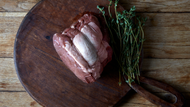
How to get the most out of premium beef when cooking for a crowd
Posted by Copas Farm Shop on 19th Aug 2026
Getting the most out of premium beef when cooking for a crowd comes down to three things: choosing the right cuts for the scale of your cook, preparing the meat properly before it hits the heat, and resting it well before you serve. Do those three things and good beef does most of the work for you.
Key takeaways
- Feeding a crowd with premium beef works best with large, single roasting cuts such as a forerib or topside, which serve 6–8 people from a single joint and stay juicier than individual steaks at scale.
- Dry-aged beef needs less seasoning and shorter resting times to develop flavour than wet-aged alternatives, so adjust your recipe accordingly.
- Bring beef to room temperature for at least one hour before cooking to ensure even heat penetration and a consistent result across the joint.
- A resting period of at least 20 minutes under foil after roasting is non-negotiable for a large cut, allowing the juices to redistribute before carving.
- Buying from a farm shop with clear provenance, such as Copas Farm Shop's range of farm meats, gives you more predictable results because the cattle's diet and ageing method are known quantities.
Which cuts of beef work best for a large group?
For a crowd, a large beef roasting joint outperforms individual steaks every time. A forerib, rolled sirloin, or topside can be seasoned once, cooked once, and carved at the table without the timing pressure of cooking portions to order. A well-selected forerib of 2.5–3kg will comfortably serve eight adults with sides.
Brisket is worth considering if you have time. Cooked low and slow for six to eight hours, it breaks down into something tender enough to pull apart, which makes portioning at the table straightforward and forgiving. It also holds well in a warm oven, which removes timing stress when guests arrive at different moments.
Does dry-aged beef behave differently when you cook it?
Yes, and it matters at scale. Dry-aged beef has lost a significant proportion of its moisture through the ageing process, which means it has a more concentrated flavour and browns more quickly in the oven. You can reduce your seasoning slightly, because the flavour is already developed in the meat itself.
Importantly, heritage-breed cattle that are pasture-grazed and dry-aged for a deeper, fuller flavour need gentler heat at the start of the roast. Begin at a high temperature — around 220°C — for the first 20 minutes to build the crust, then reduce to 160°C for the remainder of the cook. This approach preserves the flavour the ageing process has built in.
How do you prepare premium beef before cooking for a group?
Bring it to room temperature
Remove the joint from the fridge at least one hour before cooking. A cold centre and a warm exterior will cook unevenly, leaving the outside overdone before the middle reaches the right temperature. For a joint over 2kg, allow 90 minutes.
Season simply
Premium beef doesn't need much. A generous amount of flaked sea salt and black pepper applied all over the joint at least 30 minutes before cooking is enough. Salt applied too close to cooking draws out surface moisture and steams the meat rather than roasting it.
Rest properly
After the joint comes out of the oven, tent it loosely with foil and leave it undisturbed for a minimum of 20 minutes. For a large forerib, 30 minutes produces a noticeably better result. The internal temperature will continue to rise slightly, and the juices redistribute through the muscle fibres rather than running out when you carve.
What sides and sauces work at scale without overcomplicating the cook?
Roasted root vegetables — carrots, parsnips, celeriac — work well because they can go into the oven at the same time as the beef's lower cooking phase and need little attention. A jug gravy made from the resting juices, a good stock, and a splash of red wine keeps everything coherent.
If you want variety on the table, consider pairing the beef with a cold sauce prepared entirely in advance: a proper horseradish cream or a green herb sauce. Both hold well in the fridge and require no last-minute work.
How does premium beef compare to other roasting options for a crowd?
| Option | Best for | Key advantage | Limitation |
|---|---|---|---|
| Forerib of beef | 6–10 guests, table carving | Deep flavour, dramatic presentation | Expensive per kg, needs a long resting window |
| Rolled topside | Larger groups, easier slicing | More economical, slices cleanly | Lower fat content, dries if overcooked |
| Brisket (slow-cooked) | Relaxed gatherings, flexible timing | Holds well, very forgiving | Requires 6–8 hours oven time |
| Free range lamb | Spring or summer gatherings | Faster cook, pairs well with lighter sides | Stronger flavour not suited to all guests |
Frequently Asked Questions
How much beef do I need per person for a roast? Allow around 250g of boneless beef per adult as a main course alongside sides. For bone-in cuts such as forerib, allow 350–400g per person because the bone adds weight without adding servings.
Can I cook a large beef joint the day before and reheat it? Yes, though it works better with brisket or silverside than with a premium roasting joint. Slice the beef, store it in its resting juices in the fridge, and reheat gently in a covered dish at 150°C. A forerib is best served the day it is cooked.
What internal temperature should beef reach for different doneness levels? For rare, remove the joint at 50–52°C internal temperature. For medium-rare, aim for 55–57°C. For medium, 60–63°C. Always use a meat thermometer in the thickest part of the joint, away from any bone.
Does the breed of cattle affect the cooking result? Yes. Heritage breeds with higher fat marbling — such as Hereford or Longhorn — produce more self-basting meat that stays moist across a longer roast. Leaner breeds need closer monitoring and benefit from a slightly lower oven temperature.
What is the best way to carve a large joint for a crowd without losing heat? Carve at the table rather than in the kitchen, and do so immediately after the resting period ends. Slice against the grain of the muscle in thin, even pieces rather than thick chunks, which reduces chewy texture and extends the serving across more plates.