
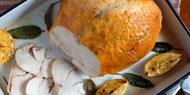
Choosing a Quality Organic Turkey Breast
Posted by Copas Farm Shop on 29th Sep 2026
An organic turkey breast comes from a bird raised without routine antibiotics or synthetic pesticides, on certified organic feed, with meaningful outdoor access. To choose well, look for assured outdoor rearing, genuine organic certification, slow growth on pasture, and a supplier who dry-ages for flavour, not just ticks a compliance box.
Key takeaways
- Organic certification in the UK requires birds to be raised on certified organic feed, given genuine free-range outdoor access, and managed without routine antibiotic use.
- Slow growth matters more than the organic label alone: a bird grown quickly on organic feed will still lack the depth of flavour that comes from time on pasture.
- A boneless turkey breast joint suits smaller households; a bone-in breast retains more moisture during roasting and is worth choosing if you're feeding four to six people.
- Dry-ageing after slaughter draws out surface moisture, concentrating flavour; it's a mark of a producer who prioritises eating quality, not just shelf life.
- Order early: genuinely slow-grown, high-welfare organic birds are produced in limited numbers and sell out well before Christmas.
What actually makes a turkey breast "organic"?
In the UK, the word "organic" on meat packaging is a legally protected term. A turkey can only be labelled organic if it has been raised on certified organic feed (free from synthetic pesticides and GMOs), given meaningful outdoor access, and managed under rules that prohibit routine antibiotic use. The Soil Association is the most widely recognised certifying body in Britain, and its logo on the packaging is a reliable indicator that those standards have been independently verified.
What the label alone can't tell you is how long the bird took to grow. Genuine flavour in a turkey breast comes from slow growth on pasture, muscle that has had time to develop, fat that has had time to distribute through the meat. A bird grown quickly, even on certified organic feed, will produce a breast that is tender in a thin sense but lacks depth.
How does the rearing method affect flavour and texture?
The rearing method is what you are really paying for when you buy organic. Turkeys with consistent outdoor access develop differently to those kept primarily indoors: the muscle fibres are firmer, the flavour more pronounced, and the fat distributed in a way that bastes the meat as it roasts.
At Copas Farm Shop, free range turkeys are slow-grown and hand-plucked, a combination that signals genuine commitment to the traditional rearing practices that produce the eating quality worth paying for. Dry-ageing is the final step: it concentrates flavour and improves texture in a way that a bird rushed to the shelf cannot replicate.
If you are buying for a smaller gathering and want the simplicity of a joint you can slice straight at the table, a boneless breast is the practical choice. If flavour is the priority and you don't mind a bit of carving, the bone-in breast is worth it. Our farm meats range covers both options, so you can choose based on your table, not just availability.
When should you order to get the best bird?
Importantly, slow-grown organic turkey is produced in genuinely limited numbers; that's inseparable from the rearing method. Producers who raise birds on open pasture can't simply scale up at short notice to meet late demand. As a guide, ordering in October for a Christmas bird gives you the best chance of securing the size and cut you want. Leaving it to December carries real risk of disappointment, particularly for specific cuts like a bone-in breast.
Frequently Asked Questions
Is organic turkey breast healthier than standard turkey breast? Organic turkey breast comes from birds raised without routine antibiotics, which is a meaningful welfare and public health consideration. The nutritional profile of the meat itself is broadly similar to standard turkey, though pasture-raised birds often show differences in fat composition, but the primary reason to choose organic is rearing quality and flavour, not a dramatic nutritional claim.
Can I cook an organic turkey breast the same way as a standard one? Yes, the cooking method is the same, but because a genuinely slow-grown breast is denser and more flavourful, it rewards a slightly lower oven temperature and a longer rest before carving. Rushing it is the main risk. Our guide to cooking turkey perfectly covers temperature and timing in detail.
How much turkey breast do I need per person? Allow roughly 200–250g of boneless cooked meat per person as a generous main course portion. For a raw boneless breast joint, plan for around 300–350g per person to account for cooking loss.
Does dry-ageing make a meaningful difference to turkey breast? It does. Dry-ageing allows surface moisture to evaporate, which concentrates the flavour of the meat and firms the texture. For a lean cut like turkey breast, which has less intramuscular fat than, say, a leg or thigh, that concentration of flavour is particularly valuable.
What is the difference between organic and free-range turkey? Free-range means the bird had outdoor access; organic means it was raised on certified organic feed without routine antibiotics, and almost always with outdoor access too. An organic turkey is typically also free-range, but a free-range bird is not automatically organic. If you want both assured welfare and assured feed standards, look for the organic certification.