
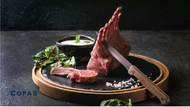
How to Cook Rack of Lamb: A Simple Guide to Perfectly Roasted Lamb
Posted by Copas Farm Shop on 21st Jan 2026
With its tender, succulent meat and elegant presentation, a beautifully cooked rack of lamb is a dish that transforms an ordinary meal into something truly memorable. Yet despite its restaurant-worthy reputation, cooking rack of lamb at home is surprisingly straightforward – you just need to know a few key techniques.
At Copas Farm Shop, our free-range lamb is reared with care on our Berkshire farm using traditional, high-welfare farming methods. The result? Lamb with exceptional flavour and tenderness that makes even the simplest cooking methods shine. Whether you're planning a special Sunday roast or an impressive dinner party centrepiece, here's everything you need to know about cooking the perfect rack of lamb.
What Is a Rack of Lamb?
A rack of lamb consists of eight ribs, usually French-trimmed (where the meat is scraped away from the end of each rib bone for that classic, elegant look). It's one of the most tender and flavourful cuts, taken from the rib section of the animal. When cooked properly, the meat should be beautifully pink in the centre with a golden, herb-crusted exterior.
Preparing Your Rack of Lamb
Before you begin cooking, take your rack of lamb out of the fridge at least 30 minutes before cooking to bring it to room temperature. This ensures even cooking throughout.
What you'll need:
- 1 rack of lamb (8 ribs)
- 2 tablespoons olive oil
- 3 cloves garlic, finely chopped
- 2 tablespoons fresh rosemary, finely chopped (or 1 tablespoon dried)
- 1 tablespoon fresh thyme leaves
- Sea salt and freshly ground black pepper
- Optional: 2 tablespoons Dijon mustard
- Optional: 50g fresh breadcrumbs mixed with more herbs for a crust
The Classic Roasting Method
This tried-and-tested method delivers consistently excellent results and is wonderfully simple.
Step 1: Season Generously
Pat the lamb dry with kitchen paper. Score the fat in a crosshatch pattern (this helps it render and become beautifully crispy). Season all over with salt and pepper, then rub with the garlic, rosemary, and thyme. For an extra layer of flavour, brush the fat side with Dijon mustard and press on a herb and breadcrumb crust.
Step 2: Sear for Colour
Heat a large, oven-proof frying pan over high heat with a tablespoon of olive oil. When it's nice and hot, sear the rack fat-side down first for 2-3 minutes until golden, then turn and sear the meat side for another 2 minutes. This initial searing locks in the juices and creates that lovely caramelised exterior.
Step 3: Roast to Perfection
Preheat your oven to 200°C (180°C fan)/Gas Mark 6. Transfer the pan to the oven (or place the rack on a roasting tray) and roast for:
- 12-15 minutes for rare (internal temperature 50-52°C)
- 15-18 minutes for medium-rare (internal temperature 55-57°C)
- 20-22 minutes for medium (internal temperature 60-63°C)
We'd recommend medium-rare for the most tender, juicy results. Use a meat thermometer inserted into the thickest part of the meat (avoiding the bone) for accuracy.
Step 4: Rest Before Serving
This is the secret step many people skip! Transfer your rack to a warm plate, tent loosely with foil, and rest for 10 minutes. This allows the juices to redistribute throughout the meat, ensuring every slice is moist and flavourful.
Step 5: Carve and Serve
Using a sharp knife, slice between the bones to create individual cutlets. Arrange on a serving platter and drizzle with any resting juices.
What to Serve With Rack of Lamb
Rack of lamb pairs beautifully with:
- Creamy dauphinoise potatoes or minted new potatoes
- Seasonal vegetables like roasted root vegetables or green beans with almonds
- A rich red wine jus or mint sauce
- Crushed peas with feta and mint
- Garlic roasted asparagus
Top Tips for Success
Choose quality lamb: The better the quality of your lamb, the better your results. Our Free Range Lamb Box contains half a lamb's worth of carefully selected cuts, including racks, legs, shoulders, and more – perfect for exploring different recipes throughout the season.
Don't overcook: Lamb is at its best when cooked to medium-rare. It will continue cooking slightly during resting, so err on the side of slightly underdone.
Let it rest: Those 10 minutes of resting make all the difference between good lamb and great lamb.
Save the bones: After carving, don't throw away the bones! They make excellent additions to stocks and broths.
Why Choose Copas Farm Shop Lamb?
Our free-range lamb is reared on our Cookham farm using traditional farming methods that prioritise animal welfare and natural growth. The lambs graze on open pastures, enjoying the changing seasons and a natural diet. This slower, more traditional approach produces meat with richer flavour and exceptional quality – the sort of lamb that makes cooking at home a genuine pleasure.
When you choose our Free Range Lamb Box, you're not just getting a generous selection of premium cuts; you're supporting farming practices that respect the land, honour the animals, and produce food the way it's meant to be.
Frequently Asked Questions
What temperature should rack of lamb be cooked to?
For perfectly cooked rack of lamb, use a meat thermometer to check the internal temperature. Aim for 55-57°C for medium-rare (our recommendation for the most tender, juicy results), 50-52°C for rare, or 60-63°C for medium. Remember that the temperature will continue to rise by a few degrees whilst the meat rests, so remove it from the oven when it's 2-3 degrees below your target temperature. Always insert the thermometer into the thickest part of the meat, avoiding the bone.
How long does it take to cook rack of lamb in the oven?
For a standard 8-rib rack weighing 400-500g, roast at 200°C (180°C fan/Gas Mark 6) for 12-15 minutes for rare, 15-18 minutes for medium-rare, or 20-22 minutes for medium. However, cooking times can vary depending on the thickness of your rack and your oven, which is why using a meat thermometer is essential for perfect results every time. Don't forget to rest the meat for 10 minutes after removing it from the oven – this is crucial for juicy, flavourful lamb.