
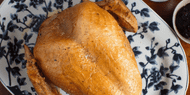
How to Prepare and Season a Turkey Crown for the Best Flavour
Posted by Copas Farm Shop on 20th Oct 2026
To prepare and season a turkey crown for maximum flavour, pat the skin dry, separate the skin from the breast meat and apply butter or fat directly onto the flesh, then season generously with salt, pepper and aromatics. Rest the seasoned crown uncovered in the fridge overnight, then bring it to room temperature before roasting.
Key takeaways
- Applying seasoned butter beneath the skin, not just over it, is the single most effective step for deep, even flavour throughout the breast meat.
- Salt the skin at least one hour ahead, and ideally overnight, to draw out surface moisture and produce a properly crisp result.
- Aromatics tucked into the cavity or beneath the skin- thyme, rosemary, garlic, lemon zest- release flavour from the inside out during roasting.
- A quality, slow-grown bird responds better to seasoning than a factory-reared one: the denser muscle holds fat and flavour without losing moisture to the pan.
- Basting with the pan juices every 30 to 40 minutes builds a layered, developed flavour across the skin that a single application of butter cannot achieve alone.
What does preparing a turkey crown actually involve?
A turkey crown is the breast of the bird on the bone, with the legs and wings removed. It's more manageable than a whole bird and cooks more evenly, but it carries less natural fat than the dark meat, which means preparation and seasoning do more of the work than the bird's own rendering does.
Preparation begins the day before. Remove the crown from its packaging, pat the skin completely dry with kitchen paper, and leave it uncovered on a rack in the fridge overnight. This step is not optional if you want crisp skin: moisture is the enemy of browning, and a damp surface will steam rather than roast.
How should you apply butter and seasoning for maximum penetration?
The most effective method is to separate the skin from the breast meat using your fingers or a spoon, working carefully from the neck end to create a pocket without tearing. Push a generous amount of softened butter, seasoned with salt, pepper, garlic and your chosen herbs, directly onto the flesh beneath the skin. This positions the fat where the meat needs it most and ensures the seasoning is not simply washed away by surface juices during cooking.
Once the butter is in place, rub the exterior of the skin with a little more butter or a neutral oil. Season the skin itself with fine sea salt. Fat conducts heat and carries flavour; without it on the outside, the skin browns unevenly and can taste flat.
Which herbs and aromatics work best with turkey crown?
Turkey has a mild, clean flavour that takes on aromatics readily. The most reliable combinations are:
| Aromatic | Flavour character | How to use it |
|---|---|---|
| Thyme and lemon zest | Bright, herbal, slightly citrus | Mix into the butter applied beneath the skin |
| Rosemary and garlic | Warm, resinous, savoury | Tuck sprigs under the skin and into any cavity |
| Sage and smoked paprika | Earthy, smoky, full | Blend into soft butter with a pinch of salt |
| Tarragon and Dijon mustard | Anise-forward, lightly sharp | Spread thinly over the flesh before butter goes on |
Avoid using too many aromatics at once. Two or three complementary flavours will read clearly on the palate; six competing herbs produce something muddled.
Does the quality of the bird affect how well it seasons?
It does, significantly. A slow-grown, free-range crown has denser muscle fibres built through natural movement and time. That structure holds seasoned butter without weeping it straight into the roasting tin, and the natural depth of flavour in the meat means the aromatics you add work with the bird rather than papering over a bland base.
In our experience at Copas, our Turkey crowns are slow-grown and dry-aged, which concentrates the meat's flavour before you add a single herb. Starting with a bird of genuine provenance means your seasoning enhances what is already there, rather than compensating for what is missing. When ordering in advance of the season, the Turkey Festive Meat Box is a considered way to bring everything together in one delivery.
What are the most common seasoning mistakes to avoid?
Seasoning only the surface. Salt applied to the outer skin alone does not penetrate to the meat. Butter or fat beneath the skin is the only reliable method of seasoning the breast itself.
Skipping the dry-brine period. Seasoning immediately before roasting leaves no time for salt to begin drawing moisture back into the meat. Overnight resting in the fridge gives the salt time to dissolve, penetrate the flesh and be reabsorbed, the process leaves the meat seasoned from within and the skin markedly drier.
Using cold butter. Cold butter tears the skin and distributes unevenly. Soften the butter to room temperature so it spreads as a smooth, even layer.
Roasting straight from the fridge. A cold crown placed directly in a hot oven will cook unevenly, with the outer layers tightening before the centre reaches temperature. Allow at least one hour out of the fridge before the crown goes in.
Frequently Asked Questions
How far in advance can you season a turkey crown? Salt and butter can be applied up to 24 hours before roasting. Apply the seasoned butter beneath the skin, loosely cover the crown and leave it uncovered on a rack in the fridge. The longer rest improves both the depth of flavour in the meat and the dryness of the skin.
Should you cover a turkey crown in foil when roasting? A loose foil tent during the first half of cooking protects the breast from over-browning before the centre is cooked through. Remove it for the final 30 to 40 minutes to allow the skin to crisp and colour properly. Do not wrap it tightly, that traps steam and softens the skin.
Can you season a turkey crown from frozen? No. The crown must be fully defrosted before seasoning. Butter applied to a frozen or partially frozen surface will not penetrate the meat, and uneven defrosting creates food-safety risks. Defrost the crown completely in the fridge, pat it dry, then season as normal.
What fat works best if you prefer not to use butter? Goose fat or duck fat are the most flavourful alternatives and behave similarly to butter beneath the skin. Olive oil produces a good result on the surface but does not carry aromatics into the meat as effectively as a solid fat. For a dairy-free option, use a high-quality cold-pressed rapeseed oil blended with finely minced herbs.
Does resting a seasoned turkey crown overnight change the texture? Yes, in a positive way. The salt draws out a small amount of surface moisture, which then dissolves the salt and is reabsorbed into the muscle, a process sometimes called a dry brine. The result is meat that is more evenly seasoned throughout and noticeably juicier after roasting, because the salt has altered the protein structure to retain more moisture during cooking.